
Kenya has no shortage of people starting businesses. Walk into almost any business event, speak to a few entrepreneurs, or look at what is happening across different industries, and you’ll find people building something. Some are starting with an idea and a small team, while others have been at it for years and are now trying to grow into bigger companies.
But there is another question we don’t ask often enough. As these businesses grow, are we building companies that can actually stand without the people who started them?
For many founders, the early years are about doing everything. You find the first customers, negotiate deals, approve payments, solve staff problems, handle suppliers and make most of the important decisions. It makes sense when the business is small because there simply aren’t enough people to do all these things.
The problem comes when the business grows but the way it is run doesn’t change with it.
You can have more employees, more customers and more revenue, yet still have a business where everyone is waiting for the founder to make the final decision. The founder knows the clients, understands the numbers, carries most of the important relationships and often knows how things work simply because they were there when everything was being built.
That can work for a while. It becomes a problem when the company can’t move without them.
Think about it. If the founder had to step away from the business for six months, what would happen? Would the team know what decisions they can make? Would customers continue receiving the same level of service? Would new business still come in? Would someone else be able to represent the company, manage the finances and deal with the difficult situations that normally end up on the founder’s desk?
These aren’t questions only for large companies. They become important much earlier, especially when a business starts looking for serious growth, external investment or a possible change in leadership.
A business that depends heavily on its founder can still be successful. It can make money, employ people and have a strong reputation. But there is a difference between having a successful business and having a company that has developed enough depth to keep going when its founder isn’t involved in everything.
That difference often comes down to systems and people.
The knowledge that used to sit in the founder’s head has to start moving into the organisation. People need to know what they are responsible for and have enough authority to make decisions. Financial processes need to be clear. Customer relationships shouldn’t exist only because the founder personally knows everyone. Even the company’s reputation should become something the organisation can protect, rather than something that depends entirely on one person’s presence.
This is easier said than done.
Founders don’t build businesses by accident. They put their own money, time and reputation into them, especially in the early years when there is very little certainty about where the business is going. It is therefore understandable that letting go can be difficult. When you’ve spent years making every important decision, trusting someone else to make those decisions isn’t always easy.
But eventually, the business has to grow beyond the founder.
That doesn’t mean the founder becomes less important. It means the company becomes stronger.
It also changes how the business is viewed by other people. Employees can see a future for themselves beyond working directly under the founder. Customers know they are dealing with an organisation, not just an individual. Partners have more confidence in the company’s ability to deliver. And when the time comes to bring in an investor or change leadership, the business has something more valuable to show than the personality of its founder.
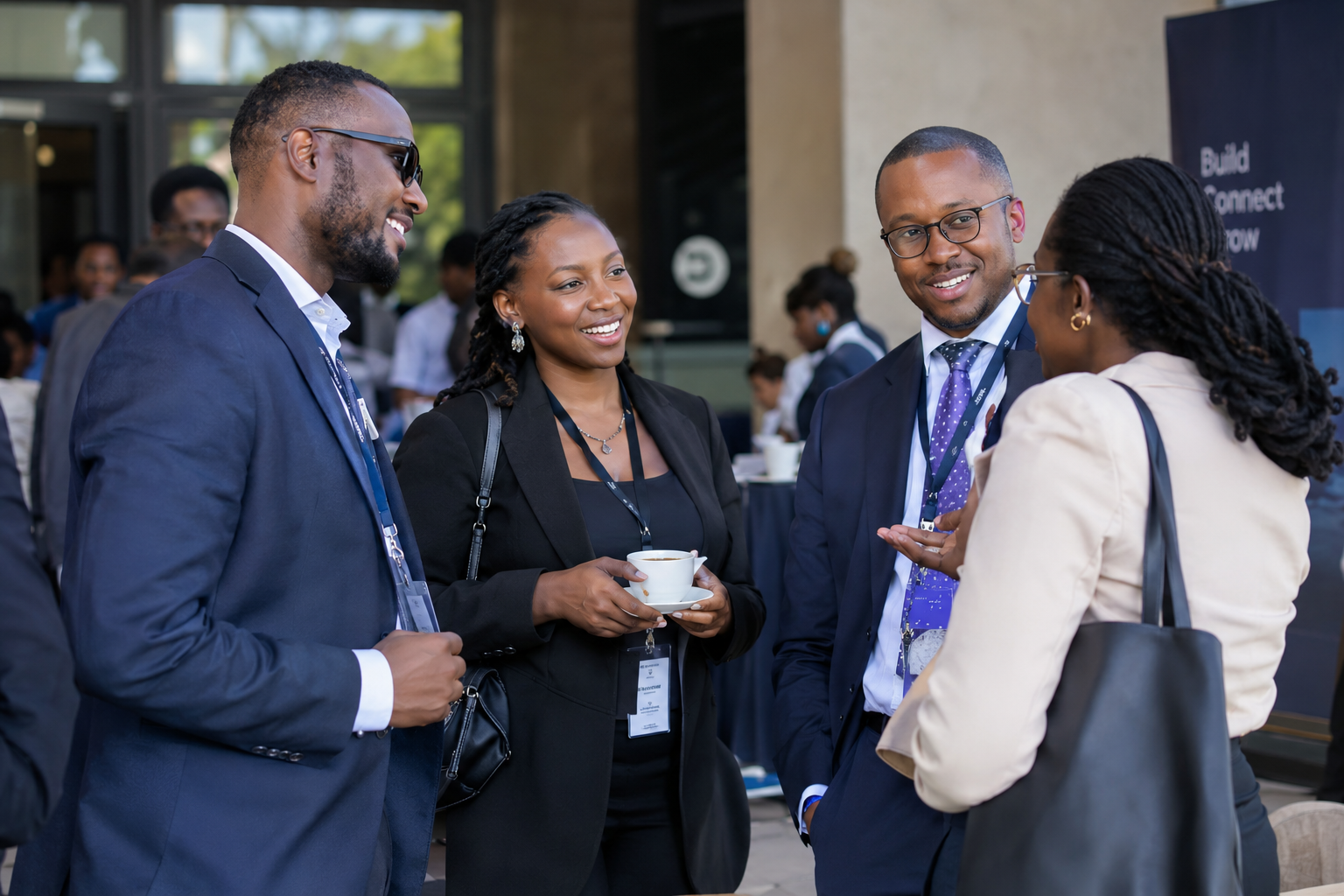
This is one of the conversations we want to create at the 9th Annual CEOs Breakfast.
This year’s theme, The Endurance Dividend: Building System Driven, Investor Ready Enterprises That Outlast the Founder, looks at what it takes to move from building a business around a founder to building a company that can continue to grow without depending on that founder for every important decision.
It is a conversation that matters because we often celebrate the person who started the business, but spend less time thinking about the institution they are building.
What happens when they step away? What happens when the next generation takes over? What happens when an investor comes in? What happens when the founder simply wants to take a break without worrying that the entire business will stop?
These are not distant questions. For a growing company, they eventually become very practical ones.
Kenya has built a strong culture of entrepreneurship, and that is something worth celebrating. But starting businesses is only part of the journey. We also need more companies that can survive changes in leadership, retain their people, keep their customers and continue creating value long after the person who started them has stepped away.
Perhaps that is one of the better measures of what a founder has actually built.
Not just how much the business grew while they were running it, but how well it can continue growing when they aren’t.
The 9th Annual CEOs Breakfast will bring business leaders together on 11 November 2026 to have that conversation, and to look more closely at what it takes to build companies that are ready for the next stage of their journey.
Because building a business is one thing.
Building one that can stand without you is another.